
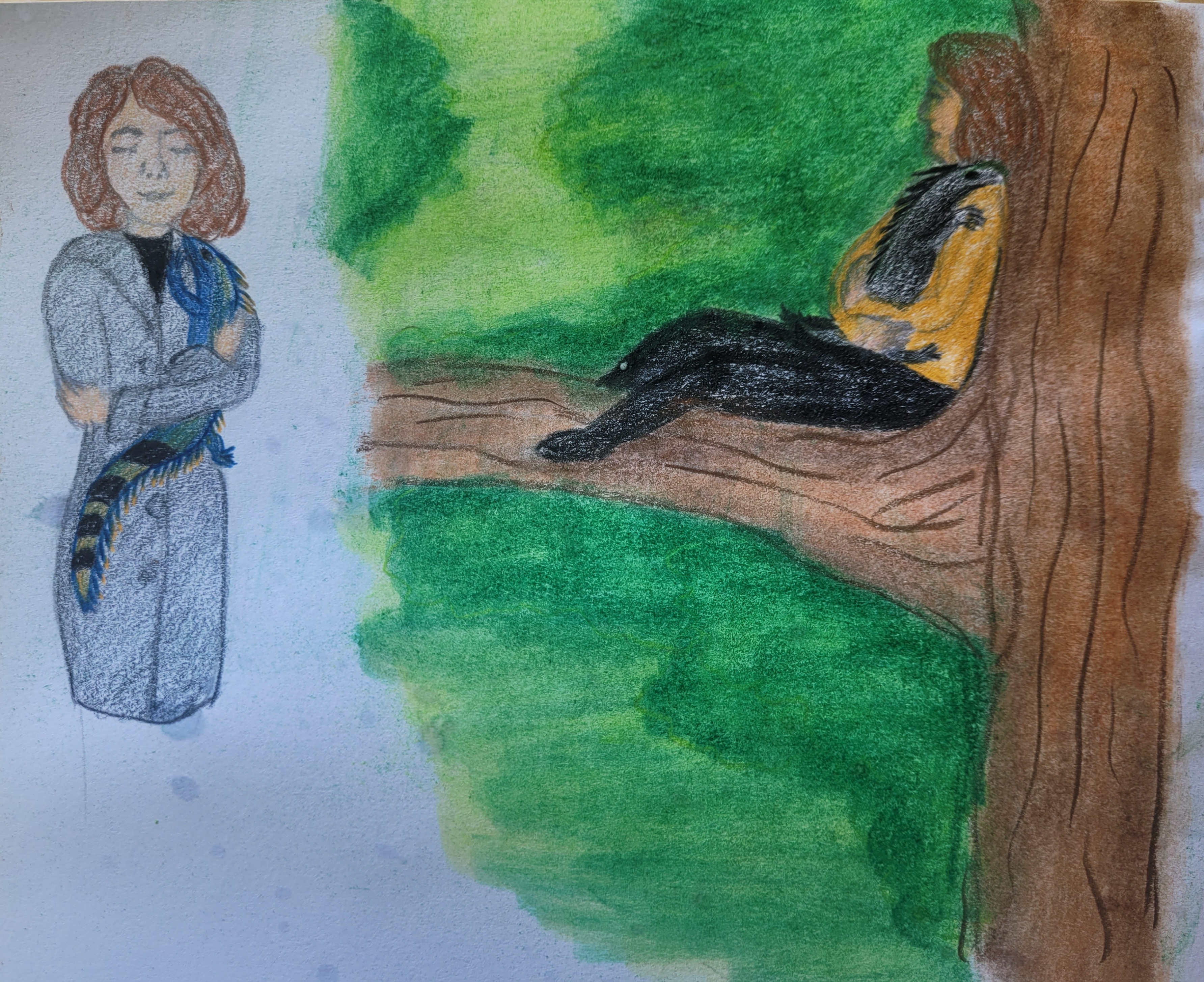
One-to-One Art Therapy
One to one art therapy offers concentrated support for you as you heal
One-to-one art therapy sessions give you support as you seek healing from pain that may be impacting your life or as you grow and become more rooted in who you are. The support you get is concentrated time and support tailored to what you need and what works for you.
Possible Concerns to Work Through in Sessions
- Lack of self-awareness
- Self -esteem issues
- Trauma
- Family, relationship or relational pain and hurt
- Lost the joy of making art
- Community pain and hurt (in religious settings or other)
- Self-care using art
- Anxiety
- Depression
- Lack of connection with God, or yourself
This is for you if you…
- are looking for deeper help/healing with a specific issue that is preventing you from functioning in day to day life
- attended an art therapy group but want to go deeper in your healing journey
- would like help with something specific
- tried talk therapy and it just didn’t help like you were hoping it would
All sessions are 1 hour unless otherwise agreed upon between client and art therapist.
Ready to chat more? Book a free consultation below.
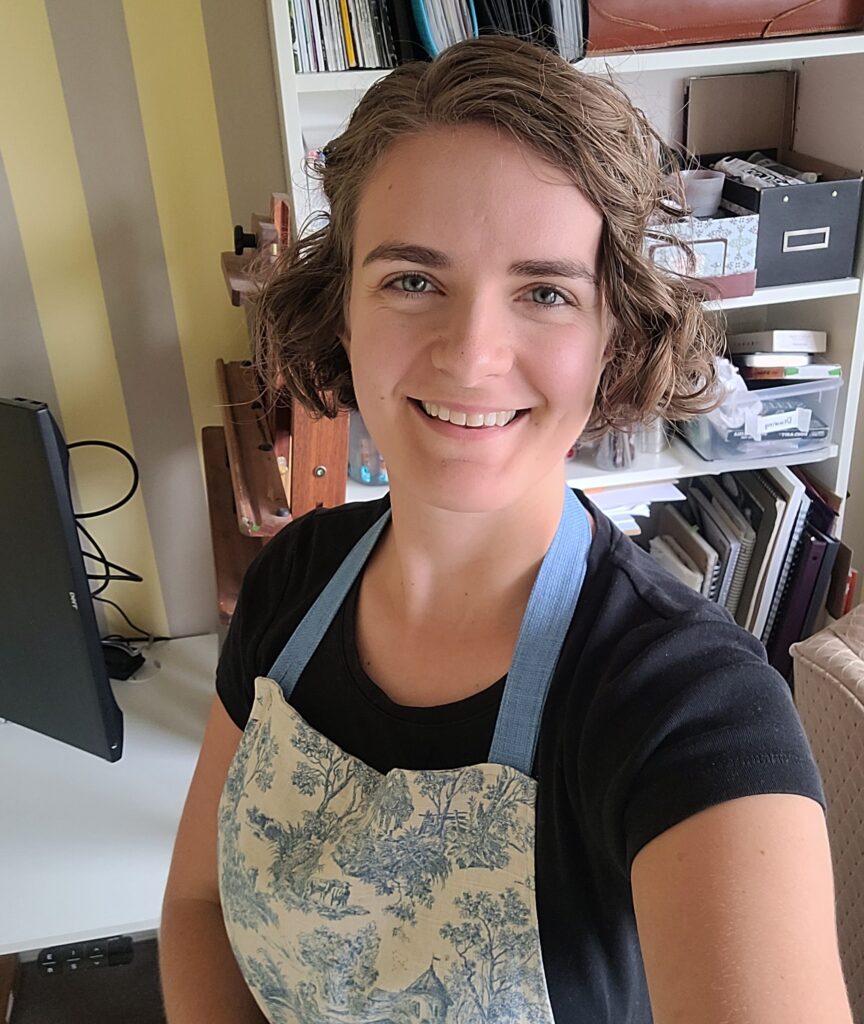
We will meet together. My name is Katlyn. My bio is here.
My Approach in Sessions …
My approach for 1:1 art therapy sessions is to give you guidance, structure and a safe environment. This looks like me giving suggestions on what kind of art to make that might help unpack some of the issues you are facing, but you always have the choice to do something else you have in mind instead. I see each person as a unique individual with their own life experiences and story. Therefore, I seek to follow your lead on what you want to talk about and what feels best to tackle when. I seek to continually learn what works for you.
These art therapy sessions aren’t about me making the interpretations of your art for you, my role is to help you find the meaning in your artwork. I do this by asking you questions about your artwork, your experiences and the things you share with me in sessions.
I often use mindfulness and breathing exercises with clients who experience anxiety or emotional dysregulation. Depending on the populations and client needs, I use techniques ranging from structured to spontaneous art making in the art therapy space.
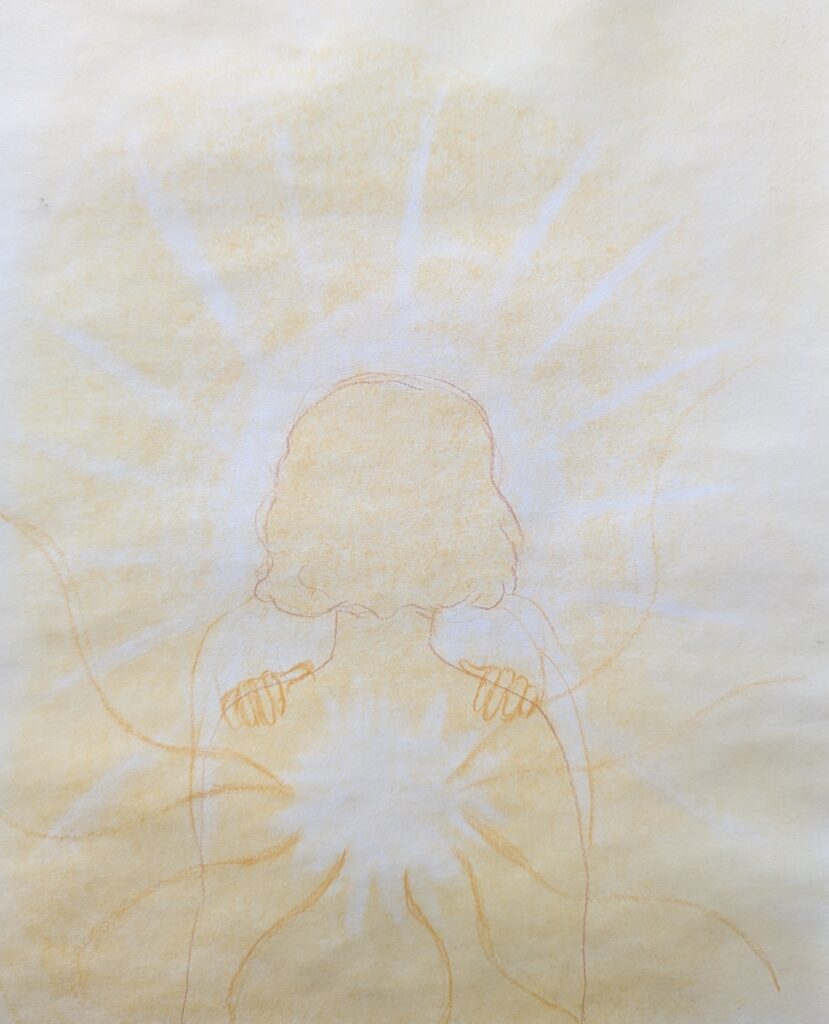
Why I share so openly about Jesus…
I am open and honest about my own beliefs and worldview being shaped by my relationship with Jesus but I never seek to force these beliefs on anyone who does not have the same beliefs.
I believe that being honest about these things is helpful for a few reasons.
1. It allows you to know that I’m pursuing relationship with Jesus as well if that is what you are pursuing and would appreciate in your art therapy sessions.
2. As an art therapist I am trained to be as unbiased as I can be, but let’s be honest every art therapist does have things that shape their worldview (buddhism, yoga traditions, etc.) I believe if I am honest with my potential biases that this can create honest conversation when I might operate out of my bias accidentally. I hope this eliminates surprises for you. This helps you know more about where I am coming from and it creates space for you to be honest with me if I let that worldview affect you and our sessions together.
Some Steps Before Our First Session
Consultation (optional)
We chat about any questions you may have over a free 15-30 minute consultation call. This would be over the phone or video call.
The purpose of this call is for both of us to get enough information to help us decide whether we are fit to work with each other.
Intake & Consent (required)
Once you feel ready to start therapy an important step would be for you to fill out an intake form that I send to you through email. This is where I would ask for some of your information (like address and medical information for urgent situations), and what you hope to work on in art therapy. The second half of this form is for consent. This part is to protect us both. In this form it goes over your rights as a client and the nature of art therapy (the risks and benefits, the limits to confidentiality etc.) I will go over this consent form with you before we start sessions to ensure it makes sense.
We start your sessions!
Ready to book a session?
Please fill out the intake and consent form and book below.
New Client Package Deals
Starter Package 1 – $250 for 4 sessions
Starter Package 2 – $375 for 6 sessions
If you are ready to start sessions with one of these deals, let me know in the form below.
Regular Rate
$80 per art therapy session. If this works for you, fill out the forms and book below.
I do offer a sliding scale so if this is unaffordable let me know in the form below.
Frequently asked Questions
How many session do I need? How long do we meet for?
You can do as many sessions as you like. You may want to meet once a month through out the year, or work in a quicker more concentrated manner, meeting weekly, to work through something major.
Normally we check in with how you are doing with your goals after 6-8 weeks of meeting weekly. This is when we could assess if you need more sessions. Sometimes clients feel like they have worked through what they need to work through in less than 6 – 8 sessions and some may need more time than this. The duration depends on the severity of what you are going through. Generally a good rule of thumb is a 6-8 week range to see healing.
You also don’t need to go for only 6-8 weeks either. I am available to meet less frequently beyond this concentrated time of 6-8 weekly sessions. For those who live with complexities like neurodiversities, complex trauma, anxiety, etc., it might be helpful to come back for therapy sessions regularly but less frequent (monthly or bimonthly). It is always a good idea to have a therapist you can go back to when life challenges come up
Do you have a sliding scale? What is a sliding scale? What if I can’t afford the price?
Sliding scale is a term to refer to the flexibility that many counsellors and therapists offer to clients in how much they may pay for a session. This system is meant to allow people who may not be able to afford full prices for sessions but still receive the care they need. I do offer a sliding scale option but there are limited spots. Let me know in the Intake form here if you would like a spot and are ready to book your first session. Or book a free consultation here and we can talk about it.
Can sessions be covered by insurance?
Alberta government has not approved for art therapy sessions to be covered across the board yet. But some insurance companies may cover your therapy sessions. It requires making a call to your insurance company to check this.
For those in British Columbia and Ontario insurance coverage might be more easily accessible as there is good partnership with the art therapy associations and the provincial governments in these provinces.
Do I need to bring my own art supplies?
If you have your own art supplies this is a great place to start. I prefer you use what you have before we dabble into other materials. If while we are creating and I think there could be a really helpful art activity that requires art supplies that you don’t have then I might recommend you get those supplies.
Or I can help direct you to good art supplies stores in your area so you can buy supplies to start with.
Or I can ship you a basic art supplies package. This would be an extra upfront cost.
What if I don’t consider myself an artist?
That’s totally ok. You are welcome to do art therapy whatever your skill level is.
What if I don’t consider myself an artist?
That’s totally ok. You are welcome to do art therapy at whatever your skill level is. Art therapy isn’t about skill it’s more about the process of making the art.
What do sessions look like?
Here is a brief overview
Check-In and Centering in the Space (5-10 minutes): Share how you are, what is going on in life lately.
Art Making (20-30 minutes): Time for you to make art. I may give a suggestion on what kind of art to make, you may know what you want to make and just get into. You can decide.
Process the Art (20-25 minutes): We talk about the art. I ask questions about your art and respond to the things you share about your artwork to help you gain more clarity for yourself what your art may be saying.
Closing (5 minutes): We take a moment to summarize what you were getting from the session and may discuss some work to do outside the session if that is what you would like.